Introduction
The battle is on between artificial intelligence content creators and detectors. In one corner, AI-powered tools churn out articles, stories, and more with lightning speed. But in the other corner, detectors stand ready to sniff out machine-made text. As the tech arms race accelerates, creators must get craftier to evade detection.
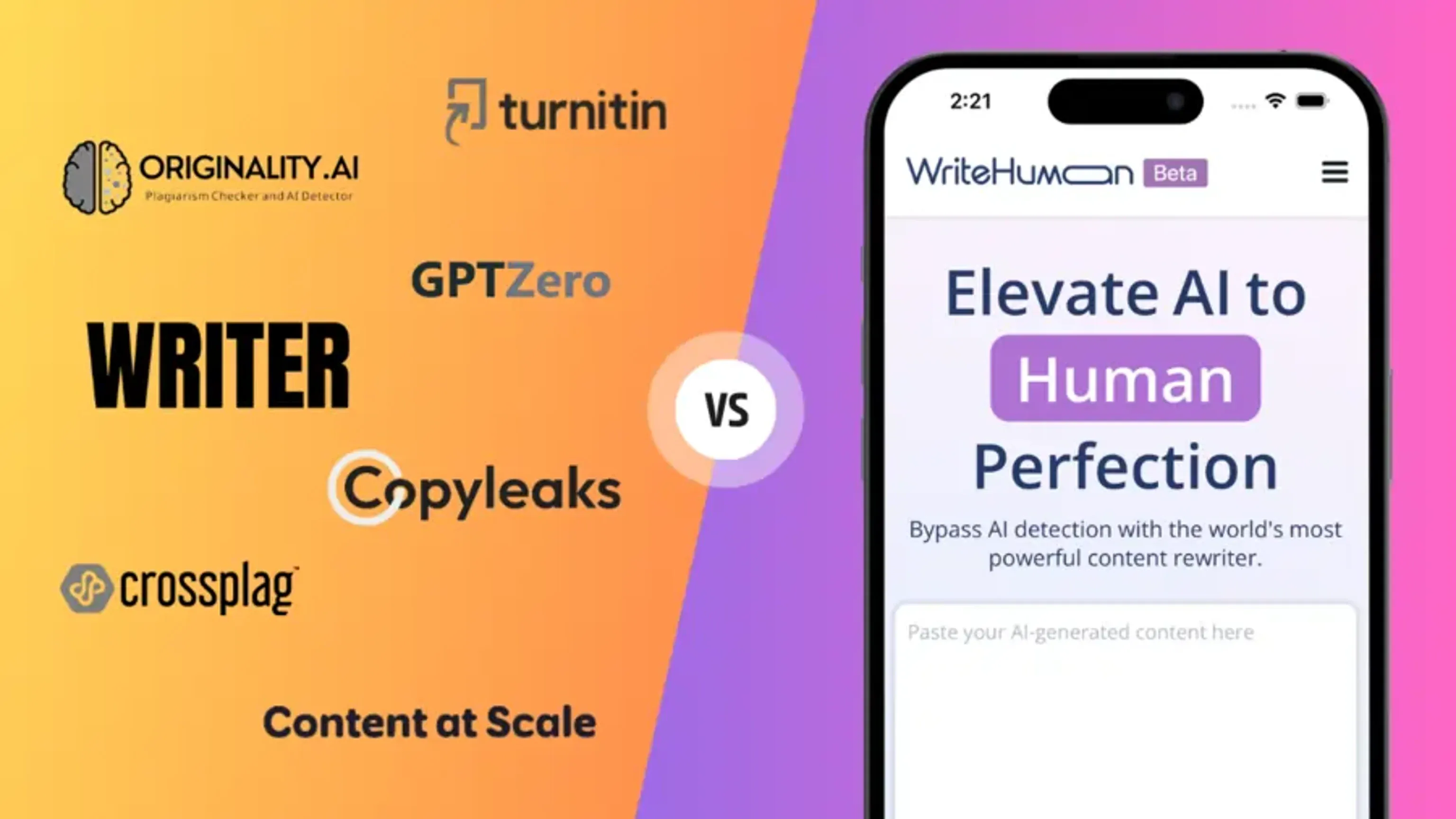
Enter the AI humanizers. These sly systems give machine-made content a human touch to help it fly under the radar. But are they enough to fool the ever-advancing detectors?
In this post, we'll dive into the cat and mouse game between AI creators and detectors. You'll learn:
How detectors spot signs of AI content and the accuracy challenges they face
The role of AI humanizers in evading detection
Key factors that will shape the future of this high-stakes hide and seek
Strap in for an inside look at the escalating battle of wits between artificial intelligence systems. The stakes are high and tactics are evolving quickly. Can creative AI truly ever out-maneuver the detective AI? Let's find out.
What is an AI Detector?
AI detectors are programs designed to identify text that has been generated by artificial intelligence. They work by analyzing the content and looking for telltale signs that it was machine-made rather than written by a human.
Some things AI detectors look for include:
Repetitive phrasing patterns
Lack of coherence in topics
Unnatural cadence and rhythms
Overuse of transitional phrases
Lack of original ideas
By spotting these types of red flags, AI detectors can classify content as very likely, possibly, or unlikely to be AI-generated. However, they aren't foolproof and can struggle with accuracy as AI writing improves.
What is an AI Humanizer?
AI humanizers are systems designed to take content generated by AI and make it read more like something a human would write. They work by analyzing the AI text and modifying it to add more human-like imprecisions.
Some techniques AI humanizers use include:
Introducing typos and grammar mistakes
Varying sentence structure
Adding idioms and colloquial phrases
Injecting opinions and cultural references
Modifying tone, cadence, and voice
The goal is to smooth out the rough edges from AI-generated text to make it pass more easily as human-written. This makes it harder for detectors to definitively flag content as AI-created.
Are AI Detectors Accurate?
The accuracy of AI detectors is a complex issue. While they are designed to identify machine-generated content, some major players acknowledge ongoing challenges.
According to AI research company OpenAI, AI detectors are usually not better than random text classifiers. This suggests current systems still have room for improvement in spotting AI-written text.
Plagiarism checker Turnitin has also faced criticism over inaccuracy of its originality reports. The software sometimes flags common phrases or boilerplate text as unoriginal copies, leading to false positives. This highlights the difficulty of definitively determining original human authorship.
However, other detectors claim higher rates of precision. WriteHuman's AI detector boastsincredible accuracy in labeling AI content. The company credits robust statistical analysis of linguistic patterns for catching machine-generated text.
Overall, while AI detectors are continuously advancing, no system yet offers foolproof AI detection. There are still gaps around distinguishing human creativity from machine imitation. More training data and research into the nuances of original writing style will likely improve accuracy over time.
For now, AI-generated content that has been sufficiently "humanized" can still slip past automated detectors. The arms race between creators and spotters continues as each side seeks to out-maneuver the other.
Why are AI Humanizers Important?
AI humanizers play a crucial role in opening up AI-generated content to wider applications without triggering scrutiny from detectors.
For non-native English speakers, writing fluently can be challenging. AI humanizers can tweak AI written text to have more natural cadence and tone, like a native speaker wrote it. This allows more people to leverage AI for writing without being hampered by language barriers.
AI humanizers also provide creative freedom. Writers can generate drafts rapidly using AI without being constrained by mechanical flaws that betray its origin. The humanizer can then refine the text so it flows seamlessly, allowing ideas to shine.
Tools like WriteHuman excel at natural-sounding AI enhancements. By maintaining meaning while introducing organic imperfections, their humanizers enable AI copy to blend in undetected. This helps unlock the potential of AI content creation.
In summary, AI humanizers are unlocking new possibilities in AI writing. By providing guardrails for machine-generated text to pass more convincingly as human, they allow the benefits of AI creation to be shared widely and safely.
The Ongoing Arms Race Continues
The cat and mouse game between AI content creators and detectors continues to rapidly evolve. As generators become more adept at mimicking human writing, detectors must become more discerning to maintain accuracy. Meanwhile, new breakthroughs in AI humanization like WriteHuman are tipping the scales to help machine-made text evade identification.
Looking ahead, creativity will be key for both sides. Generators will need to tap into deeper understandings of authentic human communication to avoid telltale patterns. And detectors will need to closely analyze not just writing style but overall coherence and meaning.
While AI humanizers currently have an edge, the arms race is far from over. As research and training data improve, AI systems on both offense and defense will likely make leaps forward. For now, creating natural-sounding AI content that passes human inspection remains part art and part science.
One thing is certain - the lines between man and machine will only grow more blurred. The future offers fascinating possibilities as AI generation and detection continually evolve to outwit each other.